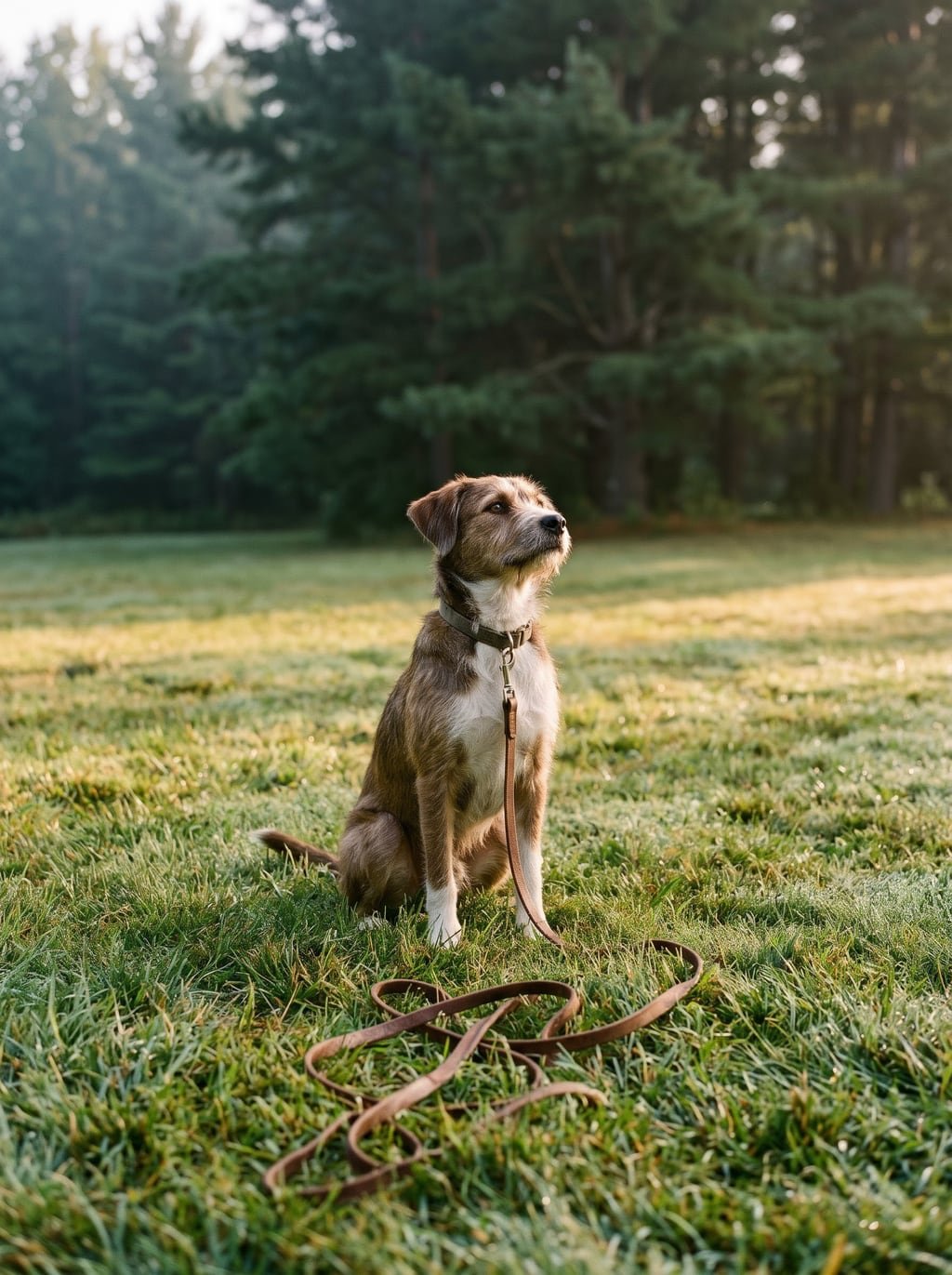
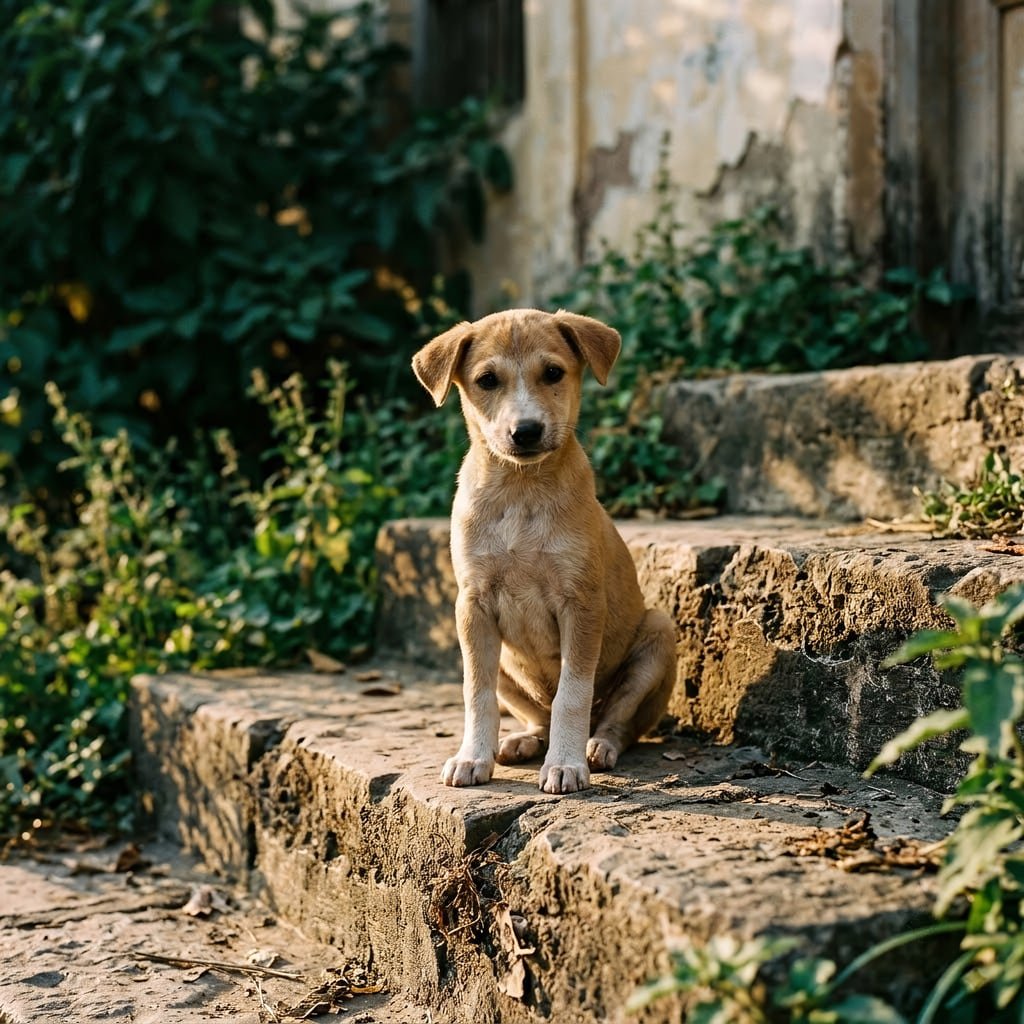
The first days with a new dog.
This note is a draft. It is filed under Care and Academy.
Whether your dog comes from a breeder, a shelter or the lane behind your house, the first days are about one question. Is this place safe?
Bring the calm home first
Plan the arrival for a quiet day, at the start of a stretch when someone will be around. Keep the welcome small. Friends and neighbours can meet your dog next week, and they will be just as delighted then.
Let your dog walk in and look around in their own time. Show them the water and the way outside. Then sit down and read something. Being ignored by a calm person is very reassuring.
A corner nobody else uses
Choose a spot away from the front door, with a bed and water, and let it belong to your dog. When your dog goes there, the answer to every question is to leave them be. Children can learn this one on the first day.
Make the day boring on purpose
Feed at the same times. Walk the same short route. Go to the same toilet spot and praise quietly when it works. A dog who can predict the day has less to worry about, and a lot of what looks like naughtiness in the first week is worry.
Keep the lead on for longer than you think
A new dog can bolt at a noise or a scent and has no idea yet where home is. Use a lead outdoors, check the gate twice and put your phone number on the tag before the first walk.
Start being alone in small doses
Step out of the room for a minute and come back without any fuss. Build it slowly from there. If your dog is frantic when left, go back a step and ask a trainer or your vet for help.
See the vet early
Book a first visit in the first week, even if your dog looks well. Ask about vaccinations, worming, ticks, sterilisation and diet. Your vet gets the last word on all of it.
When to stop waiting
Some dogs settle in days. Others take weeks or months, and a rescued dog may take longer still. All of that is normal. If your dog stops eating, seems unwell or simply worries you, call your vet and shut this notebook.
Before your dog comes home
Your ticks stay on this page and go when you leave it.